
Wound Care in Care Homes: Prevention, Treatment, and When to Escalate
Wounds in care homes need expert care. Learn how to prevent wounds, treat them properly, and recognise when urgent medical escalation is needed.
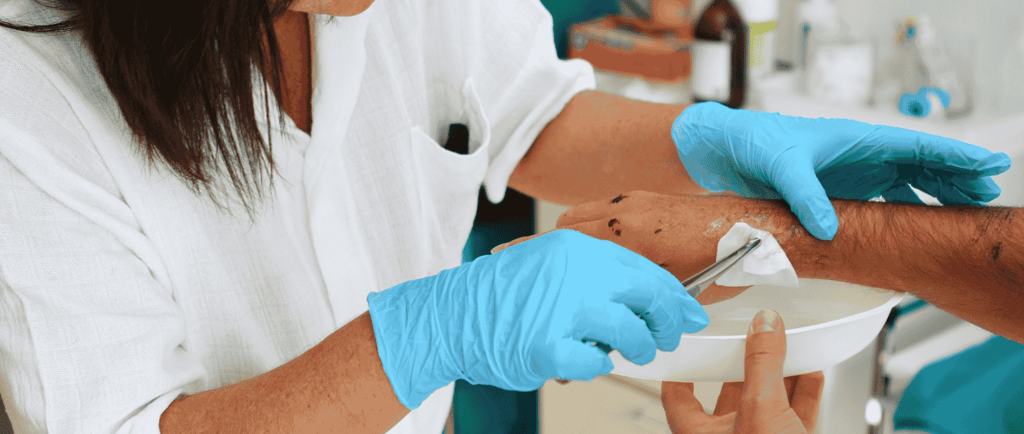
Wounds in care home residents; from minor cuts to surgical incisions to chronic ulcers require expert management to heal properly and avoid serious complications. Elderly individuals heal more slowly, face higher infection risks, and often have underlying conditions complicating recovery.
Understanding proper wound care principles and recognizing when medical escalation is necessary protects your loved one from preventable suffering.
Why Wounds Are More Problematic in Elderly Residents
Multiple factors make wound healing dramatically slower and more complicated in care home populations: reduced circulation limiting oxygen delivery to wounds, diabetes impairing healing mechanisms, weakened immune systems struggling to fight infection, thin fragile skin more prone to injury, nutritional deficiencies affecting tissue repair, and multiple medications potentially interfering with healing.
These vulnerabilities mean wounds requiring days to heal in younger adults may take weeks or months in elderly residents and only with proper care.
Common Wound Types in Care Settings
Frequent wound categories:
Pressure sores: From prolonged pressure on bony areas
Skin tears: From fragile skin catching on objects or rough handling
Surgical wounds: Post-operative incisions requiring monitoring
Leg ulcers: From poor circulation, particularly in diabetics
Minor injuries: Cuts, scrapes, bruises from falls or accidents
Each wound type requires specific care protocols, and what works for one may be inappropriate for another.
Prevention: The Foundation of Wound Management
Preventing wounds is infinitely easier than treating them once they occur. Key strategies include gentle handling techniques avoiding skin tears, pressure-relieving equipment and regular repositioning, adequate nutrition and hydration, moisturizing dry fragile skin, appropriate footwear preventing diabetic foot injuries, and fall prevention reducing trauma-related wounds.
Basic Wound Care Principles
Proper wound care promotes healing whilst preventing infection.
Essential wound care steps:
Clean wounds with appropriate solutions
Use suitable dressings for wound type and stage
Change dressings at recommended intervals
Monitor for infection signs (increased redness, swelling, discharge, odour)
Ensure adequate pain management
Document wound size, appearance, and healing progress
Care staff should never dismiss wounds as minor; even small wounds can become serious problems in vulnerable elderly residents.
When Wounds Require GP Assessment
Certain wound situations demand immediate medical evaluation rather than routine care home management.
Seek GP assessment for:
Wounds showing infection signs (redness spreading, pus, fever)
Wounds not healing or worsening despite treatment
Deep wounds potentially requiring closure
Diabetic foot wounds of any severity
Wounds with significant bleeding
Surgical wounds showing complications
Any wound causing severe pain
Out-of-hours GP support ensures wounds developing problems during evenings or weekends receive prompt medical attention. Telehealth consultations allow initial assessment, with onsite GP visits available when physical wound examination is necessary.
Advanced Wound Management
Wound assessment, treatment, specialist referral and investigations depend on individual clinical need and the relevant care arrangements.
Signs of Proper Healing vs. Problems
Healthy healing shows:
Gradually decreasing wound size
Pink granulation tissue forming
Reduced drainage over time
Decreasing pain levels
Wound edges pulling together
Wounds not showing these positive signs within expected timeframes require medical review and treatment adjustment.
The Bottom Line
Wound care in care homes requires vigilant prevention, appropriate treatment, and prompt medical escalation when complications arise. Elderly residents cannot afford delayed treatment; wounds that would heal easily in younger individuals can become serious problems when management is inadequate.
RTCGP provides additional private GP access during service hours agreed with each care home. Availability and scope are confirmed before the service begins.
The service is remote-first. Where an in-person assessment is needed, the appropriate route will be advised. Any privately arranged visit is subject to clinical need, location, availability and separate agreement.
Contacts
+44 7551269003 director@rtcgp.co.uk
RTCGP
Additional private GP access for care homes during agreed out-of-hours periods, alongside existing NHS services.
Availability is confirmed for each home. RTCGP is not an emergency service.

