
Winter Health Risks for Care Home Residents
A Family's Prevention Guide
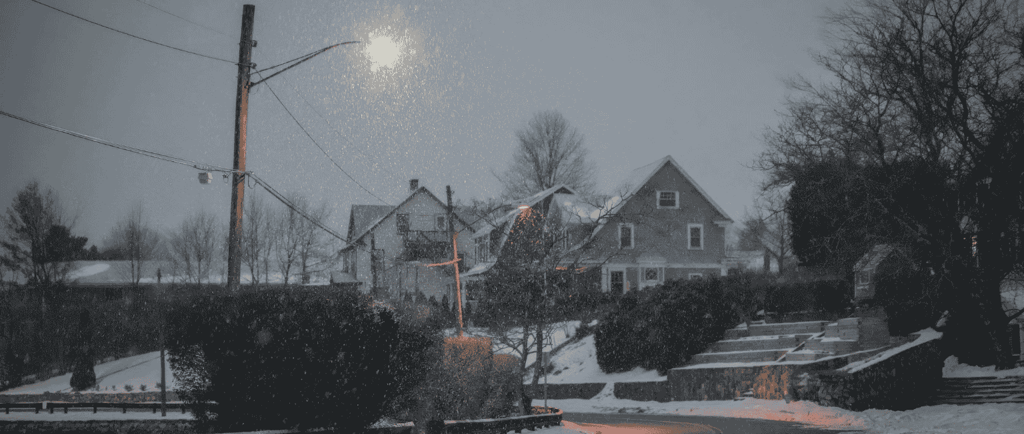
Winter poses heightened health risks for care home residents, with cold weather, circulating infections, and reduced daylight creating dangerous conditions for vulnerable elderly individuals. Understanding these seasonal threats and ensuring your parent's care home implements proper prevention strategies protects your loved one during the year's most challenging months.
Flu and Respiratory Infections
Winter's greatest threat is respiratory infection. Flu, pneumonia, and chest infections spread rapidly in care settings and can be life-threatening for elderly residents.
Essential prevention measures:
Ensure your parent receives annual flu vaccination (September/October optimal)
Confirm staff vaccination rates are high
Verify enhanced infection control protocols during winter
Ask about isolation procedures when infections occur
Follow the home’s existing clinical and escalation procedures for respiratory symptoms. Do not delay urgent or emergency care while waiting for an RTCGP response.
Falls and Winter Hazards
Cold weather increases fall risks through icy outdoor areas, reduced mobility from stiff joints, dizziness from blood pressure medication effects, and poor lighting during darker days.
What families should monitor:
Adequate heating throughout the home
Safe pathways free from ice or clutter
Appropriate footwear with non-slip soles
Whether vitamin D supplementation is provided (crucial for bone health in winter)
Seasonal Depression and Isolation
Reduced daylight and cold weather limit outdoor activities, increasing isolation risks and seasonal affective disorder.
Encouraging winter wellbeing:
Ensure activity programmes continue robustly through winter
Monitor your parent's mood during visits
Encourage participation in social activities
Discuss mental health concerns with care staff or GPs
Telehealth consultations allow convenient mental health discussions without requiring elderly residents to travel during cold weather.
Dehydration and Nutrition
Winter dehydration is surprisingly common; elderly individuals drink less in cold weather whilst heating systems dry air. Adequate nutrition becomes challenging when appetite decreases during illness or low mood.
Family vigilance includes:
Checking fluid intake remains adequate (6-8 glasses daily)
Monitoring weight for concerning losses
Ensuring hot, nutritious meals are provided and consumed
Requesting GP review if appetite significantly declines
Chronic Condition Exacerbations
Winter worsens chronic conditions: COPD and asthma symptoms increase, heart failure deteriorates from cold stress, arthritis pain intensifies, and diabetes control becomes more challenging.
Discuss any necessary monitoring with the resident’s clinical team; do not assume that investigations can be carried out at the care home.
Emergency Preparedness
Ask the home to explain its winter clinical contact routes, pharmacy arrangements and emergency escalation procedures.
The Bottom Line
RTCGP provides additional private GP access during service hours agreed with each care home. Availability and scope are confirmed before the service begins.
The service is remote-first. Where an in-person assessment is needed, the appropriate route will be advised. Any privately arranged visit is subject to clinical need, location, availability and separate agreement.
Medical Disclaimer: This blog provides general information about winter health risks and prevention strategies. It is not intended as medical advice and does not replace professional medical consultation, diagnosis, or treatment. Always consult qualified healthcare professionals regarding specific health concerns about your parent. If you have urgent medical concerns, contact appropriate medical services immediately.
Contacts
+44 7551269003 director@rtcgp.co.uk
RTCGP
Additional private GP access for care homes during agreed out-of-hours periods, alongside existing NHS services.
Availability is confirmed for each home. RTCGP is not an emergency service.

