
Why Sleep Matters More as We Get Older
Poor sleep isn’t a normal part of ageing. Learn why good sleep matters for older adults and how simple changes can improve health and safety.

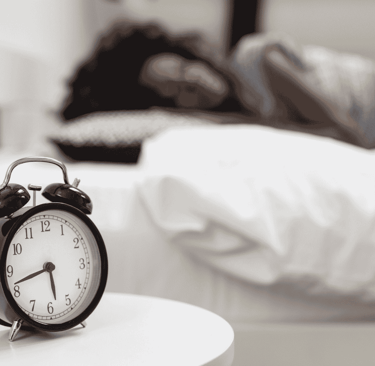
Sleep and rest are important topics to raise when reviewing wellbeing in later life. Persistent difficulties deserve individual attention rather than assumptions based on age.
The Myth About Ageing and Sleep
Many people believe older adults need less sleep. That isn’t true.
People over 65 still need 7 - 8 hours of good-quality sleep each night.
What does change is how easy it is to sleep. We may wake more often, sleep more lightly, or feel tired earlier in the evening. Health conditions, medications, pain, and worry can all disturb rest. But poor sleep should never be dismissed as “just getting older.”
Why Sleep Is So Important
Good sleep supports almost every part of health:
Memory and thinking: Poor sleep affects concentration and increases the risk of confusion
Balance and safety: Tiredness increases the risk of falls
Mood: Lack of sleep can worsen anxiety and low mood
Pain: Poor sleep makes aches and arthritis feel worse
Overall health: Sleep helps regulate blood pressure and immunity
Common Sleep Disruptors
Sleep problems are often caused by:
Medication side effects
Pain, frequent toileting, reflux, or breathing problems
Noise, light, or room temperature
Long daytime naps or caffeine late in the day
Worry, loneliness, or grief
Simple Ways to Improve Sleep
Small changes can make a big difference:
Go to bed and wake up at the same time each day
Keep the bedroom quiet, dark, and comfortably cool
Avoid caffeine after early afternoon
Get daylight during the morning if possible
Keep naps short (20-30 minutes) and before mid-afternoon
Wind down before bed like reading, gentle music, or breathing exercises
When to Ask for Help
Speak to a GP if sleep problems are ongoing, if there are frequent falls, loud snoring, breathing issues, low mood, or severe daytime tiredness. Many sleep issues can be treated by adjusting medication, managing pain, or addressing underlying health problems.
For care home residents, timely GP support, whether in person or via video consultation can make a real difference without unnecessary disruption.
The Difference Good Sleep Makes
Sleep isn’t a luxury. It’s essential care for the body and mind.
Prioritising rest helps older adults stay safer, healthier, and better able to enjoy each day.
Tonight might be a good place to start.
Contacts
+44 7551269003 director@rtcgp.co.uk
RTCGP
Additional private GP access for care homes during agreed out-of-hours periods, alongside existing NHS services.
Availability is confirmed for each home. RTCGP is not an emergency service.

