
UTI Management in Care Homes: Prevention, Detection, and Treatment
UTIs are common in care homes but often mismanaged. Learn how to prevent, detect, and treat UTIs early to protect residents’ health.
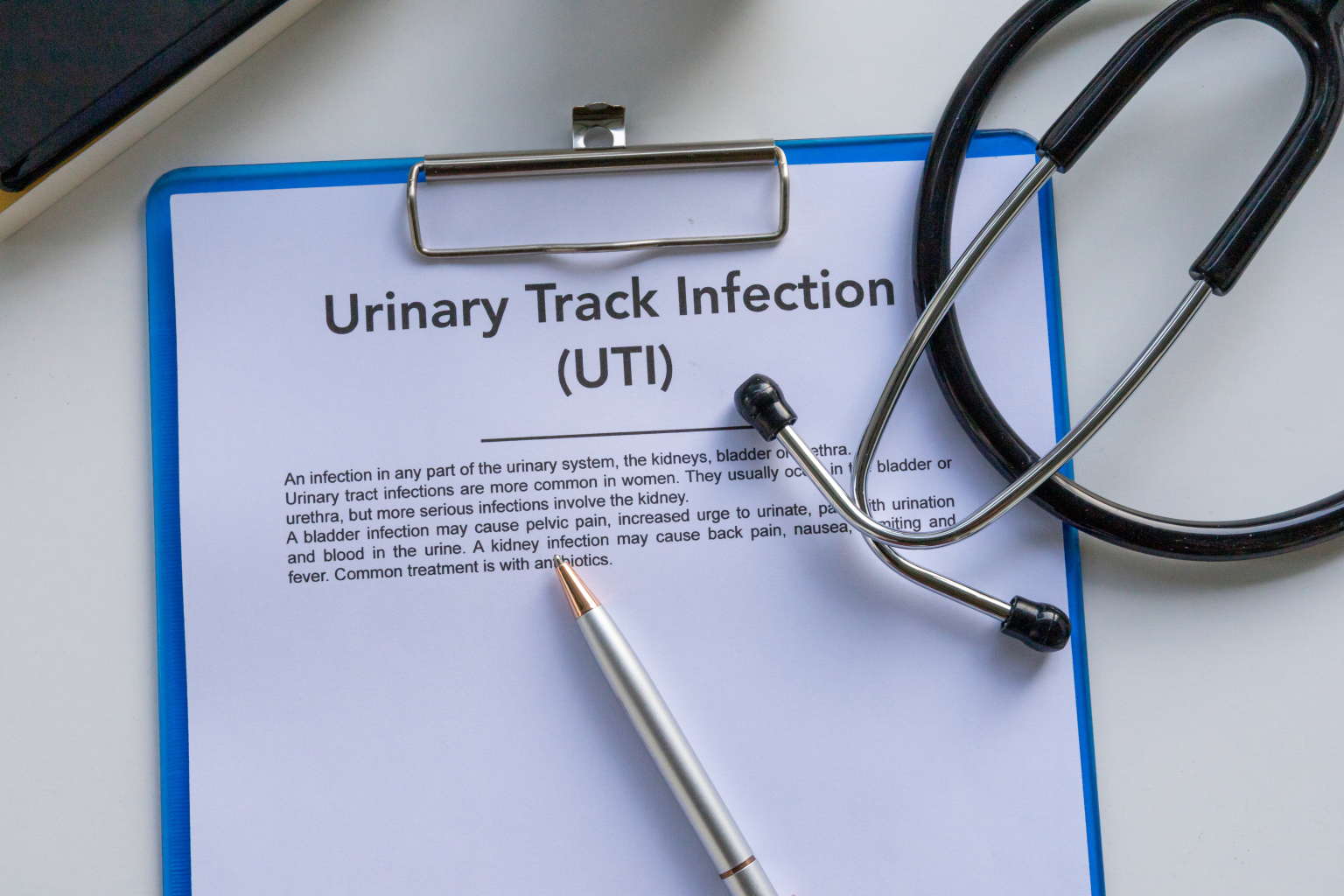
Urinary tract infections are among the most common yet frequently mismanaged health issues in care homes. UTIs can escalate rapidly in elderly residents, causing serious complications including confusion, falls, sepsis, and preventable hospital admissions. Understanding proper UTI prevention, recognizing early warning signs, and ensuring prompt treatment can dramatically improve outcomes and quality of life for care home residents.
Why UTIs Are So Common in Care Homes
Elderly individuals face multiple risk factors that make UTIs significantly more prevalent than in younger populations.
Key contributing factors include:
Weakened immune systems less able to fight infections
Incomplete bladder emptying allowing bacteria to multiply
Reduced fluid intake leading to concentrated urine
Catheter use in some residents
Incontinence and hygiene challenges
Reduced mobility limiting bathroom access
Certain medications affecting urinary function
Understanding these vulnerabilities helps explain why prevention requires multifaceted approaches rather than single interventions.
Prevention: The First Line of Defense
Preventing UTIs is far more effective than repeatedly treating infections after they develop.
Essential prevention strategies:
Hydration:
Follow the resident’s individual hydration and care plan.
Raise concerns about intake with the clinical team.
Support access to appropriate drinks in line with that plan.
Hygiene practices:
Proper toileting and incontinence care techniques
Front-to-back wiping to prevent bacterial transfer
Regular changing of incontinence products
Daily personal hygiene assistance where needed
Additional preventative measures:
Encourage regular, complete bladder emptying
Promote mobility to facilitate bathroom access
Review medications that may affect urinary function
Cranberry products may help some individuals (discuss with GP)
Good prevention significantly reduces UTI frequency, but even with excellent practices, infections still occur and require prompt recognition.
Detection: Recognizing UTI Warning Signs
UTIs in elderly residents often present differently than in younger adults, and typical symptoms may be absent entirely.
Classic UTI symptoms (often absent in elderly):
Burning sensation when urinating
Frequent urge to urinate
Lower abdominal pain
Cloudy or strong-smelling urine
Atypical presentations common in care home residents:
Sudden confusion or increased disorientation
Behavioral changes or increased agitation
Unexplained falls or mobility changes
Loss of appetite or general malaise
Increased incontinence in usually continent residents
Lethargy or unusual sleepiness
Care staff must recognize these atypical signs as potential UTI indicators requiring immediate medical assessment. Waiting for "classic" symptoms means dangerous delays in elderly populations.
The Danger of Diagnostic Delays
UTIs can progress rapidly in frail elderly individuals. What begins as a simple bladder infection can become a kidney infection or sepsis within days if untreated.
Complications of untreated UTIs include:
Acute confusion (delirium) often mistaken for dementia progression
Increased fall risk from dizziness and weakness
Kidney infections requiring hospitalization
Sepsis, a life-threatening systemic infection
Dehydration exacerbating all symptoms
RTCGP is not an emergency service. For a life-threatening emergency, call 999. Do not delay urgent or emergency care while waiting for an RTCGP response. Follow your home’s existing escalation procedures.
Proper Diagnosis: Beyond Dipstick Tests
Many care homes rely solely on urine dipstick tests, but this approach has significant limitations in elderly populations.
The problem with dipsticks alone:
Asymptomatic bacteriuria (bacteria without infection) is common in elderly residents
Positive dipsticks don't always indicate true infection requiring treatment
Clinical assessment of symptoms is essential
Urine cultures identify specific bacteria and appropriate antibiotics
Diagnosis should follow clinical assessment and current professional guidance. UKHSA guidance advises against urine dipsticks for diagnosing UTI in adults over 65; a positive result alone does not establish a symptomatic infection.
UKHSA: UTI diagnostic guidance
Treatment: Acting Quickly and Appropriately
Once a UTI is confirmed, prompt treatment prevents complications whilst inappropriate antibiotic use should be avoided.
Effective treatment approaches:
Antibiotic therapy:
Follow the responsible clinician’s prescribing instructions.
Clarify any questions about the treatment plan or follow-up.
A consultation does not guarantee a prescription or immediate access to medicines.
Supportive care:
Follow individual clinical advice on supportive care, monitoring and review. Do not wait for a stated review time if the resident deteriorates.
When to consider hospital admission:
Signs of sepsis (fever, very low blood pressure, confusion)
Inability to take oral medications
Severe kidney infection symptoms
No improvement after 48 hours of antibiotics
RTCGP is not an emergency service. For a life-threatening emergency, call 999. Do not delay urgent or emergency care while waiting for an RTCGP response. Follow your home’s existing escalation procedures.
The Role of Accessible GP Services
Effective UTI management requires GP services that respond promptly, not next week when appointments become available.
Essential GP service features for UTI management:
Clear clinical contact routes and service hours
Appropriate assessment and escalation
An explanation of remote-consultation limitations
Agreed documentation and handover
Preventing Recurrent UTIs
Some residents experience repeated UTIs requiring additional preventative strategies beyond standard approaches.
Managing recurrent infections:
Investigation for underlying causes (incomplete emptying, stones, anatomical issues)
Low-dose prophylactic antibiotics in some cases
Enhanced hydration and hygiene protocols
Regular GP reviews to optimize prevention strategies
The Bottom Line
UTI management in care homes requires vigilance, rapid response, and accessible medical support. Prevention reduces infection frequency, early detection prevents complications, and prompt treatment ensures simple infections don't become medical emergencies.
RTCGP provides additional private GP access during service hours agreed with each care home. Availability and scope are confirmed before the service begins.
Contacts
+44 7551269003 director@rtcgp.co.uk
RTCGP
Additional private GP access for care homes during agreed out-of-hours periods, alongside existing NHS services.
Availability is confirmed for each home. RTCGP is not an emergency service.

