
The Link Between Physical and Mental Health in Care Home Residents
A Holistic Care Approach
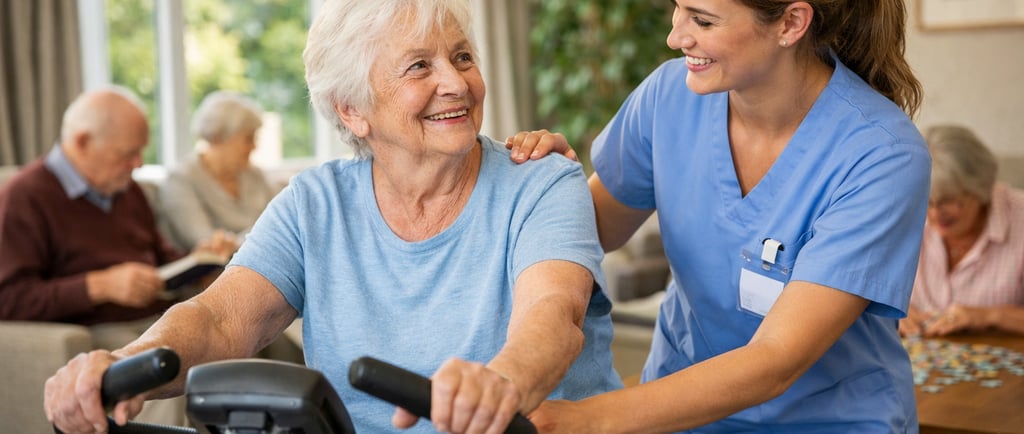
Physical and mental health are inseparably intertwined in elderly care home residents, yet they're often treated as separate issues requiring different interventions. This fragmented approach misses the fundamental reality: physical illness worsens mental health, and mental health problems manifest as physical symptoms. Understanding this bidirectional relationship ensures your loved one receives truly holistic care addressing the whole person, not just isolated symptoms.
How Physical Health Impacts Mental Wellbeing
Physical illness directly affects mental health in multiple ways. Chronic pain causes depression and anxiety, infections trigger confusion and agitation, poor nutrition affects mood and cognitive function, reduced mobility leads to isolation and low mood, and medication side effects can cause psychological symptoms.
A resident who becomes withdrawn and anxious may not have a primary mental health problem; they might have untreated pain, an undiagnosed infection, or medication causing these symptoms. Without addressing the physical root cause, mental health interventions alone will fail.
How Mental Health Manifests Physically
Conversely, mental health problems frequently present as physical complaints in elderly residents.
Common physical manifestations:
Depression causing fatigue, appetite loss, and unexplained pain
Anxiety triggering breathlessness, palpitations, and digestive problems
Grief and loneliness suppressing immune function
Stress worsening chronic conditions like diabetes and heart disease
Care staff and GPs must recognize these connections, investigating mental health when physical symptoms have no clear medical cause, and vice versa.
The Holistic Assessment Approach
Effective care requires comprehensive assessments addressing both physical and mental dimensions simultaneously.
Holistic GP assessments should include:
Physical health examination and diagnostic testing
Mental health screening for depression, anxiety, and cognitive changes
Pain assessment using appropriate tools
Medication review identifying drugs affecting mood or cognition
Social and environmental factors evaluation
Quality of life and functional ability considerations
Out-of-hours GP support ensures these comprehensive assessments happen promptly when concerns arise, rather than waiting days while conditions deteriorate. Telehealth consultations allow convenient mental health discussions, whilst onsite visits enable thorough physical examination when needed.
Integrated Treatment Strategies
Treating mind and body together produces better outcomes than addressing either alone. Physical health treatment should include mental health support recognizing illness's emotional impact, pain management reducing depression and anxiety, appropriate exercise improving both physical and mental health, and social engagement preventing isolation.
Mental health support must consider physical health treatment of underlying medical conditions causing symptoms, nutritional support for brain health, sleep quality improvement affecting mood, and medication reviews when appropriate.
The Role of Comprehensive Medical Support
Discuss concerns about physical and mental wellbeing with an appropriate healthcare professional. Any treatment or investigation should follow an individual clinical assessment. Following assessment, a GP may prescribe where clinically appropriate and within the agreed clinical-provider arrangements. A consultation does not guarantee a prescription or immediate access to medicines.
The Bottom Line
Your parent isn't a collection of separate systems; they're a whole person where physical and mental health constantly influence each other.
Care homes with GP partnerships offering holistic assessment, integrated treatment approaches, and responsive support for both physical and mental health concerns deliver superior outcomes. Treating the whole person, not just isolated symptoms, is what truly excellent care looks like.
Contacts
+44 7551269003 director@rtcgp.co.uk
RTCGP
Additional private GP access for care homes during agreed out-of-hours periods, alongside existing NHS services.
Availability is confirmed for each home. RTCGP is not an emergency service.

