
The Importance of Regular Health Check-Ups in Your Care Home
Regular health check-ups in care homes prevent emergencies and protect wellbeing. Learn why proactive GP reviews matter and what families should expect.

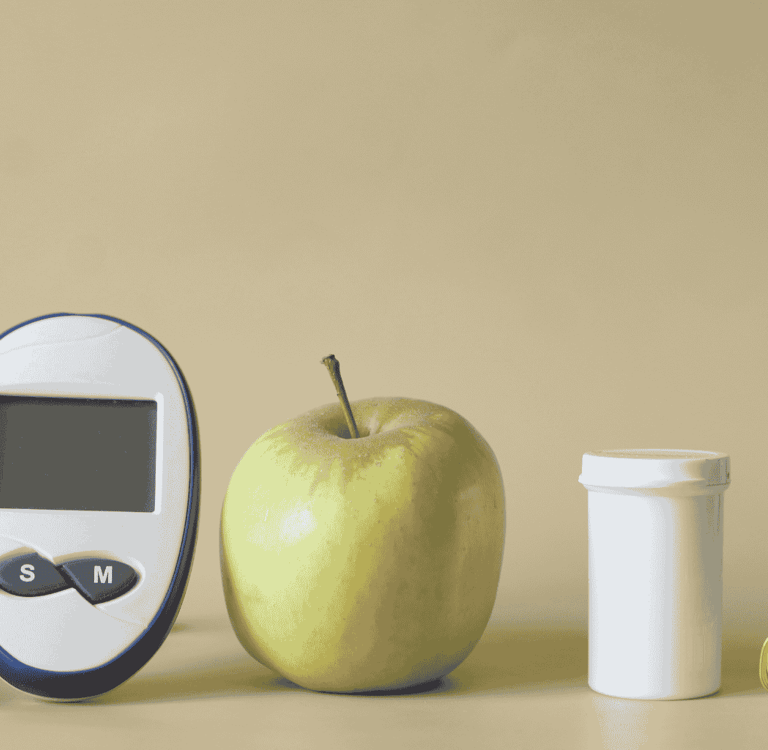
Regular health check-ups in care homes aren't just administrative box-ticking exercises; they're essential safeguards that catch problems early, prevent emergencies, and maintain quality of life for residents.
Yet many care homes struggle to provide consistent, thorough health monitoring due to limited GP access and overstretched primary care services. Understanding why regular check-ups matter and what they should include empowers families to advocate for the healthcare their loved ones deserve.
Why Reactive Care Isn't Enough
Many care homes operate on a reactive healthcare model: staff call the GP only when problems arise. This approach seems logical but creates serious risks.
Elderly residents, particularly those with dementia or communication difficulties, often can't articulate symptoms until conditions have significantly progressed. By the time pain, discomfort, or illness becomes obvious to care staff, what could have been a minor issue has escalated into a medical crisis requiring hospital admission.
Proactive health monitoring prevents:
Undetected infections becoming sepsis
Gradual deterioration mistaken for "normal aging"
Medication side effects causing preventable harm
Chronic conditions becoming uncontrolled
Avoidable emergency hospital admissions
Regular check-ups shift the focus from crisis management to prevention and early intervention—a fundamental difference in care quality.
What Comprehensive Health Check-Ups Should Include
Not all health reviews are created equal. A thorough check-up goes well beyond quick vital signs measurements.
Essential components include:
Blood pressure, heart rate, oxygen saturation, and weight tracking
Skin integrity checks for pressure sores or infections
Mobility and fall risk assessment
Comprehensive medication reviews for effectiveness and side effects
Chronic condition management (diabetes, heart failure, COPD)
Pain evaluation, especially for non-verbal residents
Mental health and nutritional screening
These comprehensive assessments require adequate GP time and expertise—something 10-minute surgery appointments simply cannot provide.
The Frequency Question: How Often Is Enough?
The appropriate frequency of health check-ups depends on individual resident needs, not arbitrary schedules.
General guidelines:
The appropriate review schedule should be agreed with the clinical team according to the resident’s needs. A general article cannot set a minimum schedule for every resident.
Between scheduled check-ups, any concerning changes should trigger immediate medical review. This is where out-of-hours and weekend GP support becomes invaluable—health problems don't respect office hours.
The Hidden Benefits of Consistent GP Presence
When the same GP or medical team conducts regular check-ups, they develop genuine familiarity with residents.
This continuity allows doctors to notice subtle changes that might seem insignificant in isolation: slight weight loss, minor gait changes, or gradual decline in communication. These early warning signs, obvious only to someone who knows the resident well, enable intervention before crises develop.
Consistent medical presence also means:
Care staff discuss concerns with doctors who understand the resident
Families build relationships with involved medical professionals
Medical records remain comprehensive and current
Treatment plans reflect current needs, not outdated assumptions
Overcoming the GP Access Barrier
The single biggest obstacle to regular health check-ups in care homes is simply getting GP access. Traditional practices struggle to accommodate care home visits, leaving residents waiting weeks for routine reviews.
Solutions that work:
Scheduled onsite clinics: Dedicated GP sessions at the care home mean multiple residents receive check-ups efficiently without the stress of surgery visits.
Telehealth consultations: For routine reviews where physical examination isn't essential, video consultations provide convenient access whilst reserving onsite visits for hands-on assessments.
Weekend and evening availability: Health monitoring shouldn't stop Friday afternoon. Seven-day medical support ensures weekend concerns receive prompt attention rather than deteriorating until Monday.
Following assessment, a GP may prescribe where clinically appropriate and within the agreed clinical-provider arrangements. A consultation does not guarantee a prescription or immediate access to medicines.
Investigations and their location depend on clinical assessment and the relevant service arrangements.
What Families Should Demand
Your parent deserves more than crisis-response healthcare. When evaluating care home medical services, ask specific questions.
Critical questions:
How frequently does a GP review each resident?
Are reviews conducted onsite or at surgeries?
What's the process for urgent concerns outside office hours?
How quickly can prescriptions be renewed and delivered?
What happens if residents need diagnostic tests?
Vague reassurances aren't sufficient. You need concrete answers demonstrating structured, accessible medical support.
The Bottom Line
Regular health check-ups aren't luxury additions to care; they're fundamental components of responsible elderly care. They prevent avoidable suffering, reduce emergency admissions, and maintain dignity and quality of life.
Care homes with comprehensive GP partnerships offering scheduled reviews, out-of-hours support, and integrated services provide genuinely proactive healthcare. This isn't about more medical intervention -it's about the right medical attention at the right time.
Your parent's wellbeing depends on consistent, expert medical oversight. Don't settle for reactive crisis management when proactive health monitoring is available.
Contacts
+44 7551269003 director@rtcgp.co.uk
RTCGP
Additional private GP access for care homes during agreed out-of-hours periods, alongside existing NHS services.
Availability is confirmed for each home. RTCGP is not an emergency service.

