
Skin Health and Pressure Sores: Prevention in Care Home Settings
Pressure sores are painful but preventable. Learn how early signs, good skin care, and prompt medical support protect care home residents.
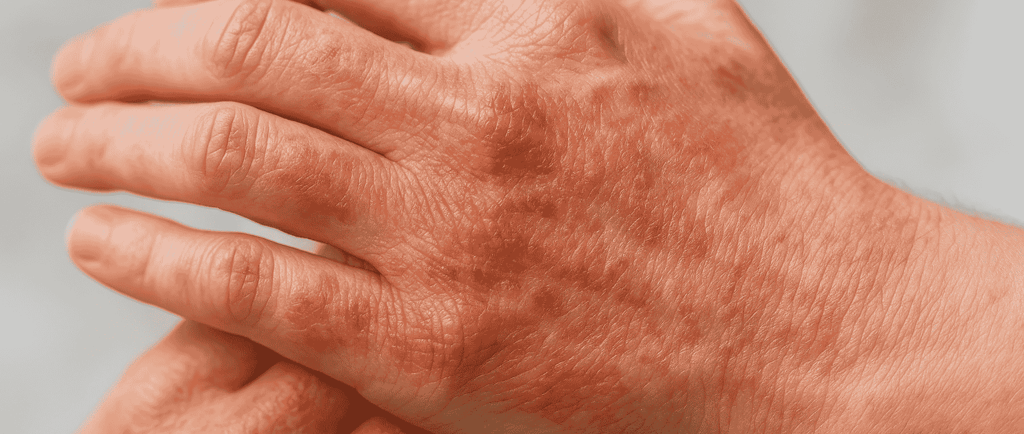
Pressure sores, also known as bedsores or pressure ulcers, are one of the most preventable yet serious complications in care homes. These painful wounds develop when prolonged pressure restricts blood flow to skin and underlying tissue, causing damage that can progress from minor redness to deep, infected wounds requiring surgical intervention. Understanding prevention strategies and early warning signs protects your loved one from unnecessary suffering.
Why Pressure Sores Develop So Easily
Elderly care home residents face multiple risk factors making pressure sores frighteningly common: limited mobility preventing position changes, poor nutrition weakening skin integrity, incontinence causing moisture damage, reduced circulation limiting healing capacity, thin fragile elderly skin, existing health conditions like diabetes, and reduced sensation preventing discomfort recognition.
The most vulnerable areas are bony prominences: heels, ankles, hips, tailbone, elbows, and shoulder blades where bones press against skin.
The Stages of Pressure Damage
Pressure sores progress through stages, and early recognition allows intervention before serious damage occurs.
Pressure sore stages:
Stage 1: Non-blanching redness (doesn't fade when pressed)
Stage 2: Partial skin loss, appearing as blister or shallow crater
Stage 3: Full-thickness skin loss exposing underlying tissue
Stage 4: Deep tissue damage reaching muscle or bone
Once pressure sores progress beyond Stage 1, healing becomes dramatically more difficult, painful, and time-consuming. Prevention and early detection are absolutely critical.
Prevention: The Gold Standard Approach
Preventing pressure sores is infinitely easier than treating them once developed.
Essential prevention strategies:
Regular repositioning every 2-4 hours for immobile residents
Pressure-relieving mattresses and cushions
Proper moving and handling techniques avoiding dragging or friction
Daily skin inspections identifying early redness
Keeping skin clean and dry, particularly after incontinence
Adequate nutrition and hydration supporting skin health
Immediate treatment of Stage 1 pressure damage
Good prevention requires consistent implementation by all care staff, not occasional efforts when convenient.
The Role of Nutrition in Skin Health
Adequate nutrition is fundamental to both preventing and healing pressure sores. Protein supports tissue repair, vitamins C and zinc promote healing, adequate hydration maintains skin elasticity, and sufficient calories provide energy for cellular repair.
When residents show poor appetite or weight loss, nutritional assessment and intervention prevent skin breakdown becoming inevitable.
When Medical Intervention Becomes Necessary
Despite prevention efforts, some residents develop pressure sores requiring medical treatment.
Medical management includes:
GP assessment determining severity and infection presence
Specialized wound dressings promoting healing
Antibiotics if infection develops
Pain management ensuring resident comfort
Nutritional supplementation supporting healing
Out-of-hours GP support ensures pressure sores identified during evenings or weekends receive prompt assessment. Early-stage sores treated immediately may heal within days, whilst delayed treatment allows progression requiring weeks or months of intensive management.
Following assessment, a GP may prescribe where clinically appropriate and within the agreed clinical-provider arrangements. A consultation does not guarantee a prescription or immediate access to medicines.
Any further investigation should follow the appropriate clinical pathway.
Special Considerations for High-Risk Residents
Some residents require enhanced prevention protocols: those with complete immobility, existing pressure damage history, diabetes or circulation problems, significant weight loss, or end-of-life care receiving palliative approaches.
These individuals need more frequent repositioning, specialized equipment, and intensive monitoring preventing inevitable skin breakdown.
The Bottom Line
Pressure sores in care homes are largely preventable with proper protocols, consistent implementation, and prompt medical attention when early damage appears. Your parent deserves care prioritizing prevention through systematic approaches rather than reacting after painful, difficult-to-heal wounds develop.
RTCGP provides additional private GP access during service hours agreed with each care home. Availability and scope are confirmed before the service begins.
Contacts
+44 7551269003 director@rtcgp.co.uk
RTCGP
Additional private GP access for care homes during agreed out-of-hours periods, alongside existing NHS services.
Availability is confirmed for each home. RTCGP is not an emergency service.

