
Hospital Transfers and GP Assessment in Care Homes
How to discuss appropriate assessment and escalation, without assuming that additional GP access guarantees fewer hospital transfers.
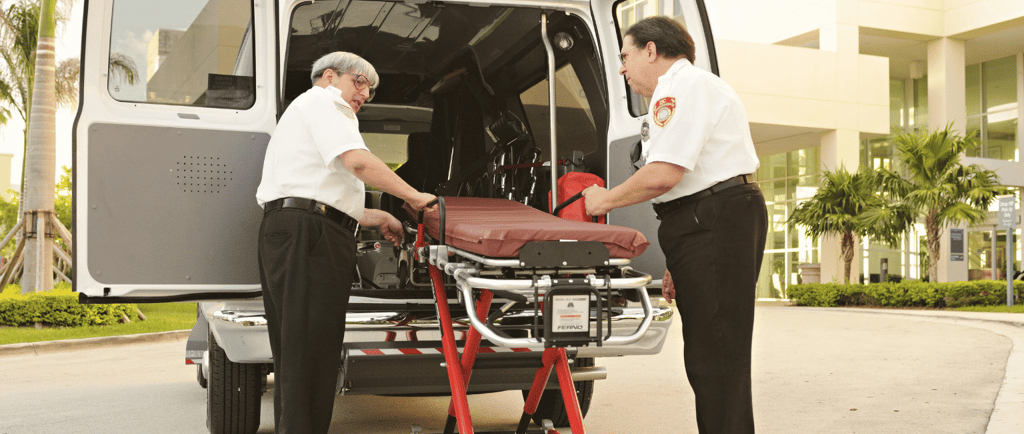
Care-home teams need support in deciding when a resident requires further assessment. The aim is appropriate care for the individual, with hospital care used when needed. Reducing the number of transfers is not a substitute for sound clinical judgement.
Keep escalation clear
RTCGP is not an emergency service. For a life-threatening emergency, call 999. Do not delay urgent or emergency care while waiting for an RTCGP response. Follow your home’s existing escalation procedures.
What additional remote GP access can offer
During agreed service hours, the care team can request GP assessment and advice through the designated clinical contact route. The GP advises on monitoring, treatment or further assessment as appropriate.
Review decisions in context
If a home reviews transfer patterns, it should consider residents’ needs, clinical reasoning and follow-up. A numerical reduction alone does not establish better care. RTCGP does not guarantee fewer hospital admissions or a specific percentage improvement.
Questions for onboarding
Which concerns are within the agreed service scope?
How will the team request a consultation?
How will the clinical plan and any necessary handover be documented?
What should staff do when a resident needs urgent or emergency care?
Discuss additional GP access
RTCGP offers additional private GP access for care homes during agreed out-of-hours periods, alongside the resident’s usual GP and existing NHS services. Service hours, availability and scope are agreed with each home before the service begins.
The service is remote-first. Where an in-person assessment is needed, the appropriate route will be advised. Any privately arranged visit is subject to clinical need, location, availability and separate agreement.
A GP may prescribe following assessment where clinically appropriate and within the agreed clinical-provider arrangements. A consultation does not guarantee a prescription or immediate access to medicines.
RTCGP is not an emergency service. For a life-threatening emergency, call 999. Do not delay urgent or emergency care while waiting for an RTCGP response. Follow your home’s existing escalation procedures.
Book a care-home discussion to explore the support your home needs. This is a business introduction, not a medical consultation; do not submit identifiable resident information.
Contacts
+44 7551269003 director@rtcgp.co.uk
RTCGP
Additional private GP access for care homes during agreed out-of-hours periods, alongside existing NHS services.
Availability is confirmed for each home. RTCGP is not an emergency service.

