
Managing Infections and Outbreaks in Care Homes
Learn how care homes can manage infections and outbreaks effectively, with early detection, rapid treatment, and reliable out-of-hours GP support.
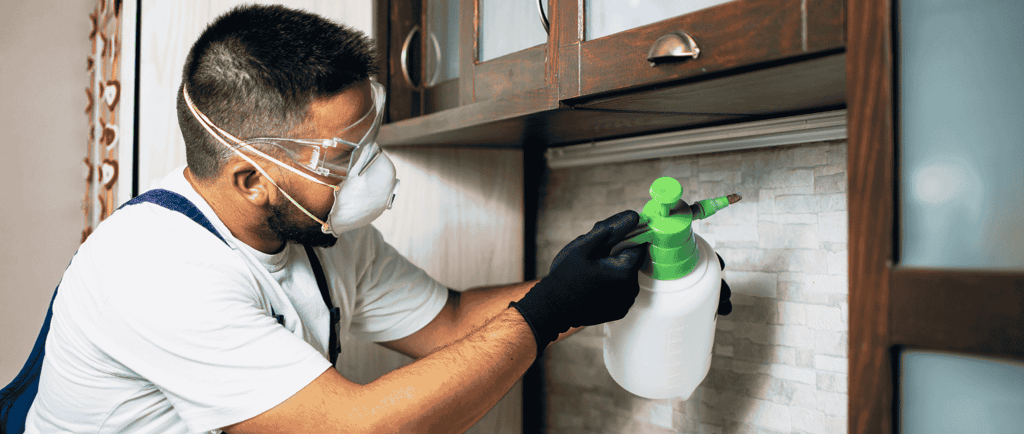
Infection control remains a core responsibility for care home managers, but expectations have changed. Today, it is not only about CQC compliance, it is about rapid response, minimising disruption to residents, and protecting staff, especially outside standard GP hours.
In communal settings, infections such as influenza, Norovirus, UTIs, and chest infections can escalate quickly. The speed of medical intervention often determines whether an isolated case is contained or develops into a wider outbreak.
Below is a practical approach to infection management, with a focus on early action and out-of-hours clinical support.
1. Prevention: Beyond Hand Hygiene
Basic infection control measures remain essential, but effective prevention requires ongoing clinical vigilance.
Vaccinations: Ensure residents and staff are up to date with flu and COVID-19 boosters.
Hydration monitoring: Dehydration is a major contributor to UTIs and confusion in older adults.
Environmental audits: Review high-touch areas regularly and adjust cleaning schedules based on infection risk, not just routine rotas.
2. Early Detection and the “Weekend Gap”
Symptoms such as sudden confusion, fever, or breathing difficulties often emerge or worsen on Friday evenings or weekends, when Regular GP access is limited.
Reliance on regular emergency triage sometimes may lead to delays or unnecessary hospital admissions.
Early clinical access is critical.
Starting antibiotics on a Saturday can prevent deterioration and reduce the risk of infection spreading. Waiting until Monday often leads to avoidable escalation.
3. Immediate Isolation and Cohorting
At the first sign of infection:
Isolate symptomatic residents immediately
Use cohort nursing where possible
Dedicate equipment to isolation areas or ensure thorough disinfection
Prompt action protects other residents and staff.
4. Treatment Logistics: Speed Matters
Even after diagnosis, delays in obtaining medication can worsen outcomes. Weekend prescription processing and staff leaving the floor to collect medicines create operational strain.
Having access to a private clinical partner enables faster treatment and better continuity of care.
Additional GP access through RTCGP
RTCGP provides additional private GP access during service hours agreed with each care home. Availability and scope are confirmed before the service begins.
The service is remote-first. Where an in-person assessment is needed, the appropriate route will be advised. Any privately arranged visit is subject to clinical need, location, availability and separate agreement.
Following assessment, a GP may prescribe where clinically appropriate and within the agreed clinical-provider arrangements. A consultation does not guarantee a prescription or immediate access to medicines.
5. Post-Outbreak Review
Once an outbreak is contained, conduct a structured review:
Was the initial case identified early?
Were there delays in treatment or GP access?
Did staffing levels become stretched?
Documenting lessons learned demonstrates a well-led, responsive service to the CQC and strengthens future preparedness.
Clear arrangements for your home
Effective infection control requires more than policies - it requires reliable clinical support when it matters most. The weekend should not be the weakest link in your strategy.
Documentation and any necessary handover follow the agreed clinical arrangements. Discuss access, responsibilities and follow-up during onboarding.
Medical Disclaimer:
This content is for informational purposes only and does not replace professional medical advice.
Contacts
+44 7551269003 director@rtcgp.co.uk
RTCGP
Additional private GP access for care homes during agreed out-of-hours periods, alongside existing NHS services.
Availability is confirmed for each home. RTCGP is not an emergency service.

