Falls Prevention: A Multi-Stakeholder Approach to Care Home Safety
Falls are a leading risk in care homes. Learn how GPs, care staff, families, and residents can work together to prevent falls and improve safety.
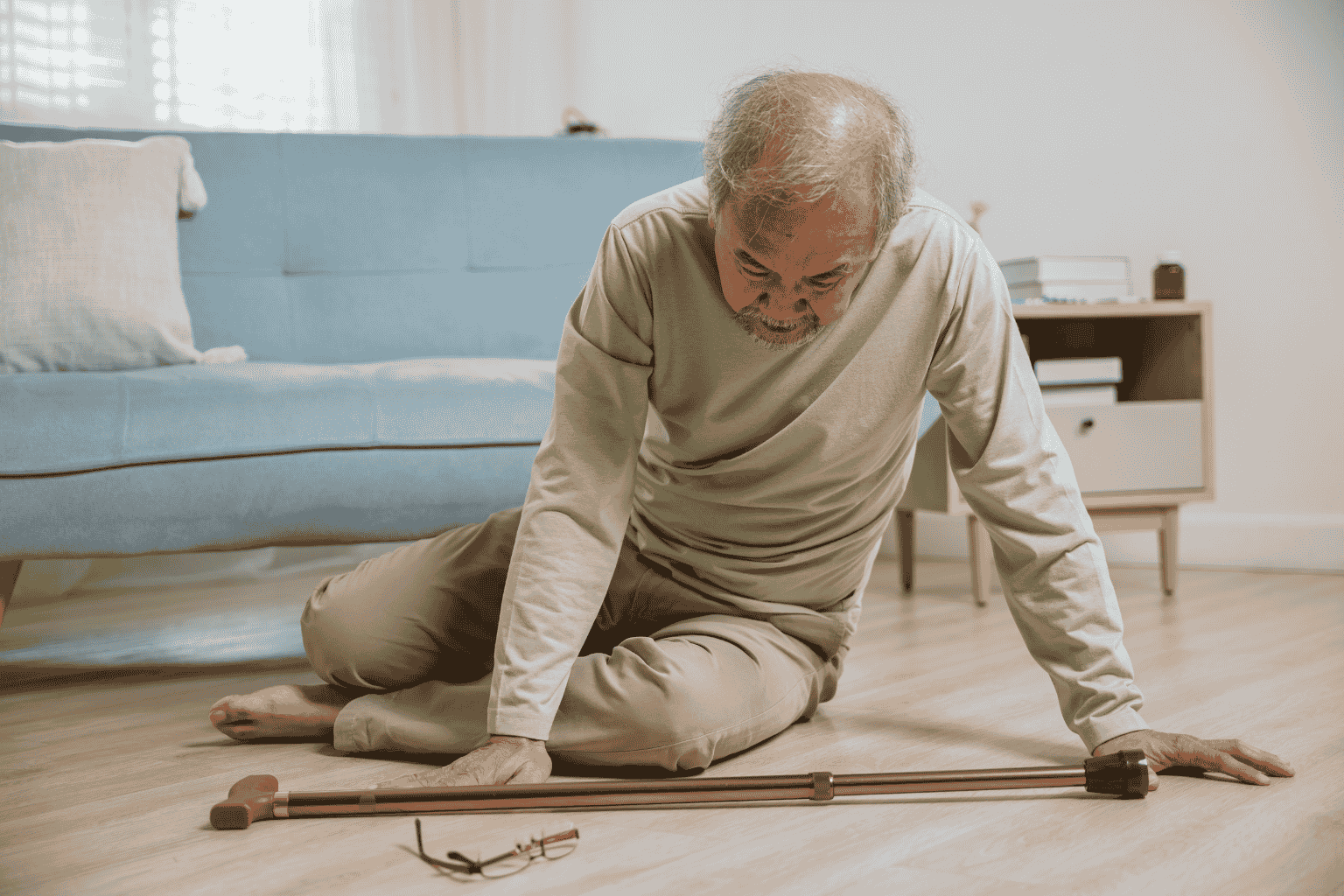
Falls are the leading cause of injury-related hospital admissions among care home residents, yet many are entirely preventable. Effective falls prevention isn't the responsibility of a single person or department; it requires coordinated effort from medical professionals, care staff, families, and the residents themselves.
Understanding how each stakeholder contributes to safety creates comprehensive protection that genuinely reduces fall risks and their devastating consequences.
The True Cost of Falls in Care Homes
Falls aren't simply unfortunate accidents; they're serious medical events with far-reaching consequences.
The impact includes:
Fractures, particularly hip fractures requiring surgery
Head injuries causing bleeding or brain trauma
Loss of confidence leading to reduced mobility
Increased fear and anxiety affecting quality of life
Extended hospital stays and increased care needs
In severe cases, contribution to premature mortality
Understanding these serious consequences emphasizes why prevention requires comprehensive, coordinated approaches rather than isolated interventions.
The GP's Role: Medical Assessment and Management
Many fall risk factors are medical issues requiring GP expertise to identify and address.
Critical GP responsibilities:
Medication reviews: Many drugs increase fall risk (sedatives, blood pressure medications, antidepressants). Regular reviews identify problematic combinations and allow dose adjustments.
Underlying condition management: Blood pressure problems, vision impairments, neurological conditions, cardiovascular issues, and vitamin D deficiency all increase fall likelihood.
Post-fall assessment: Investigating why falls occurred, ruling out injuries, identifying new medical issues, and adjusting prevention strategies.
After a fall, follow the home’s existing assessment and escalation procedures. Do not assume that additional GP support will provide immediate assessment.
Care Staff: Daily Vigilance and Environmental Safety
Care staff are the frontline of falls prevention, observing residents daily and maintaining safe environments.
Essential care staff responsibilities:
Environmental management:
Ensuring adequate lighting throughout facilities
Removing trip hazards like loose rugs or clutter
Keeping floors dry and addressing spills immediately
Ensuring walking aids are accessible and properly fitted
Individual monitoring:
Observing gait changes or increased unsteadiness
Noting confusion or disorientation
Responding promptly to call bells preventing rushed movements
Documenting near-misses to identify emerging patterns
Using appropriate footwear with non-slip soles
The Family's Role: Advocacy and Information Sharing
Families provide crucial information and advocacy ensuring comprehensive fall prevention.
How families contribute:
Sharing previous fall history and known risk factors
Noting mobility changes or increased unsteadiness during visits
Observing environmental hazards staff may have missed
Ensuring prescribed walking aids are actually being used
Requesting GP reviews when fall risks increase
Demanding action when concerns are dismissed
Physiotherapy and Mobility Specialists
Physical therapists maintain strength, balance, and safe movement patterns through assessments, individualized exercise programmes, gait training, and post-fall rehabilitation.
When residents show declining mobility, rapid access to physiotherapy prevents progression to higher fall risk. Telehealth consultations provide initial assessments, with onsite visits for hands-on evaluation.
The Resident: Active Participation in Safety
Residents themselves are crucial stakeholders in their own safety when cognitive capacity allows.
Encouraging resident involvement:
Understanding their own fall risks
Using prescribed walking aids consistently
Calling for assistance rather than attempting risky movements alone
Participating in strength and balance exercises
Reporting dizziness, weakness, or vision changes immediately
Coordinating Stakeholder Efforts
The power of multi-stakeholder approaches lies in coordination, not just multiple people working independently.
Effective coordination includes:
Regular multidisciplinary team meetings discussing high-risk residents
Shared care plans all stakeholders understand
Clear communication channels for reporting concerns
Post-fall reviews involving all relevant parties
Family inclusion in care planning discussions
Technology Supporting Human Efforts
Modern technology enhances stakeholder efforts: motion sensors alerting staff to unsupervised movement, fall detection systems triggering rapid response, and electronic care records ensuring all stakeholders access current information.
When Falls Require Emergency Response
Despite best prevention efforts, some falls still occur and require appropriate response.
Ensuring proper post-fall care:
Follow the home’s existing post-fall procedures and individual clinical advice.
Use emergency pathways when required.
Do not delay urgent or emergency care while waiting for an RTCGP response.
The Bottom Line
Falls prevention requires every stakeholder; GPs, care staff, families, specialists, and residents, working together with clearly defined roles and open communication. No single person can prevent all falls but coordinated multi-stakeholder approaches dramatically reduce risks and improve outcomes.
Care homes with comprehensive GP partnerships offering rapid medical assessment, medication reviews, and integrated services create the medical foundation effective falls prevention requires. Combined with vigilant care staff, engaged families, and appropriate specialist input, this truly protects residents from preventable falls.
Your parent deserves this comprehensive, coordinated approach to safety; not fragmented efforts from disconnected parties hoping for the best.
Contacts
+44 7551269003 director@rtcgp.co.uk
RTCGP
Additional private GP access for care homes during agreed out-of-hours periods, alongside existing NHS services.
Availability is confirmed for each home. RTCGP is not an emergency service.

