
Dementia and Healthcare: What Level of Medical Support Does Your Parent Really Need?
Caring for a parent with dementia? Learn what level of medical support they truly need at every stage, from GP access to advanced care services.
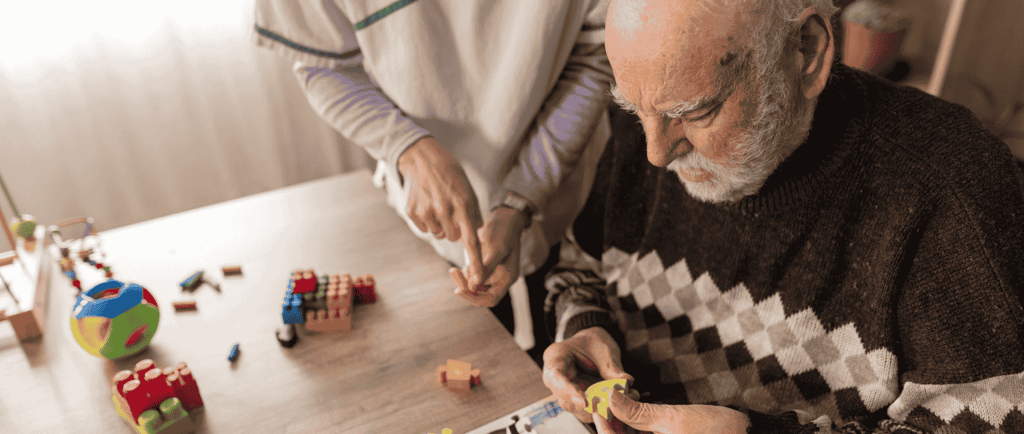
When a parent receives a dementia diagnosis, families often struggle to determine what level of medical support is truly necessary. The condition's progressive nature means healthcare needs change over time, and understanding these evolving requirements is crucial for providing appropriate care whilst avoiding unnecessary interventions.
Understanding Dementia's Progressive Healthcare Needs
Dementia isn't a static condition. What begins as occasional memory lapses can progress to significant cognitive decline requiring comprehensive medical oversight. The key is matching medical support to your parent's current stage whilst planning ahead for future needs.
Early-Stage Dementia: Building the Foundation
In early stages, your parent may still live independently or with minimal support. However, this is the critical time to establish robust medical frameworks.
Essential medical support includes:
Regular GP reviews to monitor cognitive decline
Medication management for dementia-specific drugs
Treatment of co-existing conditions that can worsen confusion
Mental health support for depression and anxiety
Even at this stage, standard GP appointment systems often fail dementia patients. Remembering appointment times becomes challenging, and busy surgeries can be overwhelming. Telehealth GP services offer a comfortable alternative, allowing consultations in familiar surroundings where your parent feels calmer and more communicative.
Mid-Stage Dementia: When Care Intensifies
As dementia progresses, medical needs become more complex and urgent situations arise more frequently.
Why Standard GP Access Falls Short
Appointment delays: Waiting days for a GP appointment when your parent has a UTI or chest infection isn't acceptable
Surgery environment: Busy, unfamiliar settings can trigger anxiety and confusion
Limited availability: Health issues don't respect office hours, especially with dementia patients
The Medical Support You Actually Need
Ask which clinical services are available, their agreed hours and how staff request advice.
Infections can escalate rapidly in dementia patients
Behavioural changes may indicate underlying medical issues
Medication side effects require prompt assessment
Onsite medical visits: Bringing healthcare to your parent, rather than the reverse, reduces stress and allows GPs to assess patients in their normal environment, providing better insight into daily functioning.
Following assessment, a GP may prescribe where clinically appropriate and within the agreed clinical-provider arrangements. A consultation does not guarantee a prescription or immediate access to medicines.
Advanced Dementia: Comprehensive Medical Oversight
In advanced stages, your parent requires intensive, coordinated medical support.
Complex Healthcare Coordination
Multiple conditions often coexist with advanced dementia:
Mobility issues increasing fall risk
Swallowing difficulties affecting nutrition
Infections requiring rapid diagnosis and treatment
Pain management challenges when communication is limited
Essential Services for Advanced Care
Any investigations and their location should follow individual assessment and the relevant service arrangements.
Discuss end-of-life care and medicines arrangements with the responsible clinical team.
The Hidden Medical Needs Often Overlooked
Physical Health Monitoring
Dementia patients often cannot articulate physical discomfort, meaning:
Regular health assessments are essential
Behavioural changes should trigger medical review
Proactive monitoring prevents crises
Mental Health Support
Depression and anxiety frequently accompany dementia but often go untreated. Regular GP contact ensures mental health receives appropriate attention alongside physical care.
Making the Right Choice for Your Parent
Determining the right level of medical support requires honest assessment:
Ask yourself:
Which medical services are available and during what hours?
How are urgent concerns escalated?
What is the route for an in-person assessment when needed?
How are responsibilities shared with the resident’s usual GP?
Why Integrated Healthcare Services Matter
RTCGP provides additional private GP access during service hours agreed with each care home. Availability and scope are confirmed before the service begins.
This isn't about over-medicalizing dementia care -it's about having the right support available precisely when needed. Your parent deserves medical attention that respects their dignity, reduces distress, and responds promptly to changing needs.
The question isn't whether to provide medical support, but whether that support is accessible, appropriate, and adaptable to dementia's unpredictable progression. Choose care arrangements that prioritize responsive, compassionate medical services designed specifically for the realities of dementia care.
Contacts
+44 7551269003 director@rtcgp.co.uk
RTCGP
Additional private GP access for care homes during agreed out-of-hours periods, alongside existing NHS services.
Availability is confirmed for each home. RTCGP is not an emergency service.

