
Dehydration in Elderly Residents: The Silent Health Crisis
Dehydration is a hidden danger in care homes. Learn the early signs, serious risks, and how proactive hydration prevents illness and hospitalisation.
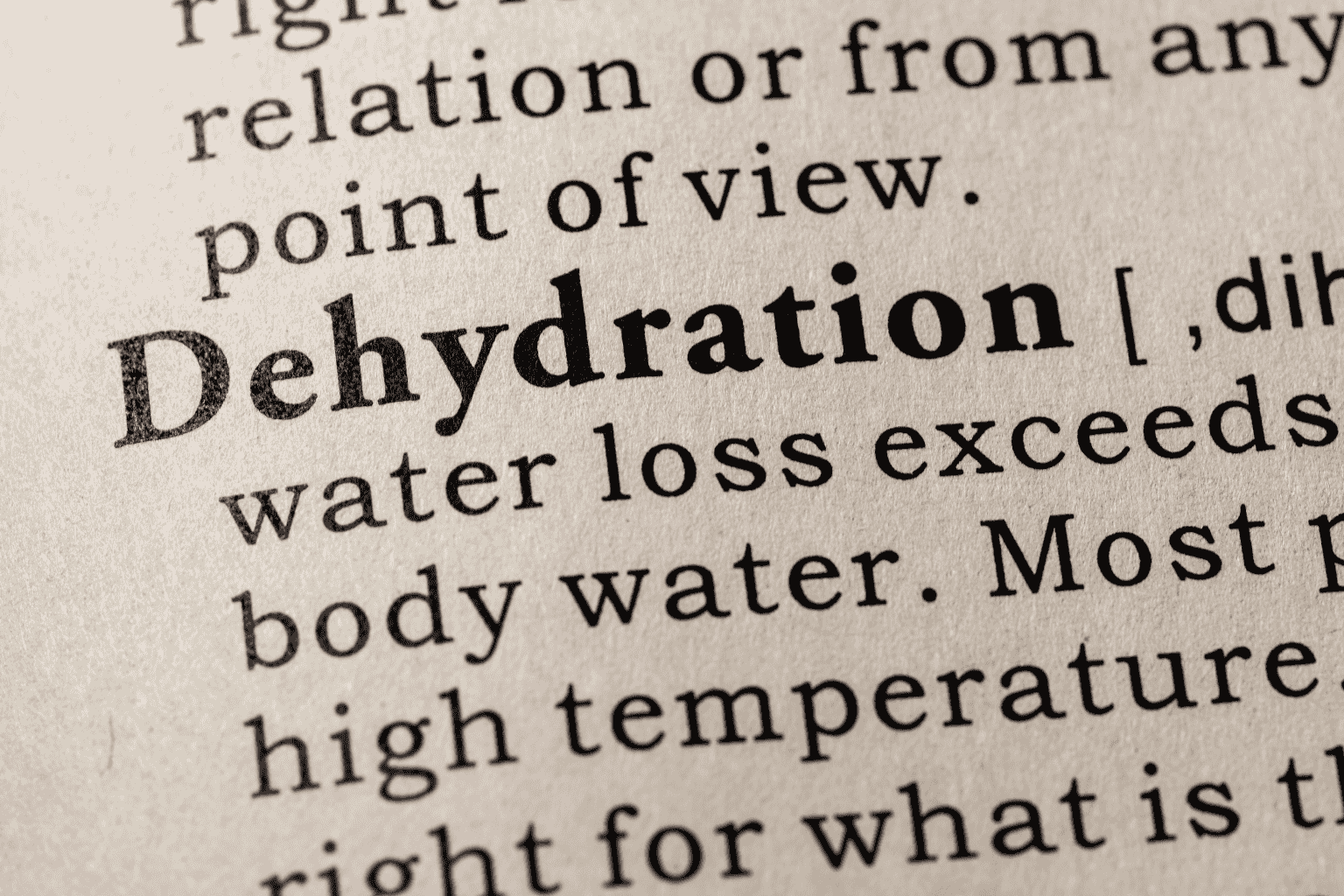
Dehydration is one of the most common yet frequently overlooked health problems in care homes. Unlike younger adults who feel thirsty when fluid levels drop, elderly residents often lack this warning signal, leading to dangerous dehydration that goes unrecognized until serious complications develop. Understanding why dehydration occurs so readily and recognizing early warning signs can prevent hospital admissions, UTIs, falls, and even life-threatening conditions.
Why Elderly Residents Are Chronically At Risk
Multiple factors combine to make dehydration exceptionally common in care home populations.
Key contributing factors:
Reduced thirst sensation meaning residents don't feel thirsty even when dehydrated
Kidney function declining with age, reducing fluid retention
Medications like diuretics actively removing fluid
Mobility limitations making independent drinking difficult
Cognitive decline causing residents to forget to drink
Fear of incontinence leading to deliberate fluid restriction
Swallowing difficulties making drinking uncomfortable or unsafe
These overlapping vulnerabilities mean proactive hydration management is essential rather than relying on residents to request drinks.
The Hidden Signs of Dehydration
By the time obvious dehydration symptoms appear, the condition is often already serious.
Early warning signs include:
Increased confusion or disorientation
Dizziness or lightheadedness
Unexplained falls
Dark, concentrated urine
Reduced urine output
Dry mouth and lips
Sunken eyes
Fatigue or lethargy
Severe dehydration indicators:
Rapid heartbeat
Low blood pressure
Extreme confusion or unresponsiveness
Little or no urination
The most dangerous aspect is that confusion; often the first symptom which prevents residents from recognizing their own dehydration and requesting help.
The Serious Health Consequences
Dehydration isn't merely uncomfortable—it triggers cascading health problems throughout the body.
Major complications include:
Urinary tract infections from concentrated urine
Kidney damage or acute kidney failure
Constipation and bowel obstructions
Increased fall risk from dizziness
Medication toxicity as drugs concentrate in reduced blood volume
Blood clots from thickened blood
Pressure sores from reduced skin elasticity
Hospitalization for severe cases
Many "unexplained" UTIs, falls, and confusion episodes actually stem from inadequate hydration that went unrecognized and unaddressed.
Prevention: Active Hydration Management
Preventing dehydration requires systematic approaches, not just making water available.
Effective prevention strategies:
Offering drinks regularly throughout the day (every 1-2 hours)
Providing preferred beverages to encourage consumption
Using different vessel types (cups, straws, spouted cups) for residents with difficulties
Recording fluid intake for at-risk residents
Ensuring drinks are within easy reach for independent residents
Offering high-water-content foods (soups, fruits, jellies)
Increasing fluid during hot weather or illness
The goal should be 6-8 glasses daily, adjusted for individual needs, medical conditions, and medications.
When Medical Intervention Becomes Necessary
Despite preventative efforts, some residents develop dehydration requiring medical treatment.
Medical interventions include:
GP assessment determining dehydration severity
Oral rehydration solutions for mild-moderate cases
Medication reviews identifying drugs contributing to dehydration
Intravenous fluids for severe dehydration
Investigation of underlying causes
Out-of-hours GP support ensures dehydration concerns arising during evenings or weekends receive prompt assessment rather than deteriorating overnight. Telehealth consultations allow rapid initial evaluation, with onsite GP visits available when physical examination is needed.
RTCGP is not an emergency service. For a life-threatening emergency, call 999. Do not delay urgent or emergency care while waiting for an RTCGP response. Follow your home’s existing escalation procedures.
Special Considerations for Summer Months
Hot weather dramatically increases dehydration risks, requiring enhanced vigilance and proactive measures: significantly increased fluid offerings, adequate air conditioning or fans, monitoring for heat exhaustion, and adjusting medication timing when possible.
Monitoring and Assessment
Regular monitoring helps identify dehydration before it becomes serious. Care staff should track fluid intake for vulnerable residents, observe urine color and output, watch for behavioral changes, and ensure regular weight monitoring to detect fluid loss.
Any tests and the appropriate setting for assessment should be determined through the relevant clinical pathway.
The Bottom Line
Dehydration in elderly care home residents is preventable but requires active, systematic management rather than passive approaches. The combination of reduced thirst sensation, multiple risk factors, and serious health consequences means hydration cannot be left to chance.
Care homes with comprehensive GP partnerships offering prompt assessment, out-of-hours support, and integrated diagnostic services can identify and treat dehydration effectively. Your parent deserves proactive hydration management preventing this silent health crisis before it causes unnecessary suffering or dangerous complications.
Contacts
+44 7551269003 director@rtcgp.co.uk
RTCGP
Additional private GP access for care homes during agreed out-of-hours periods, alongside existing NHS services.
Availability is confirmed for each home. RTCGP is not an emergency service.

